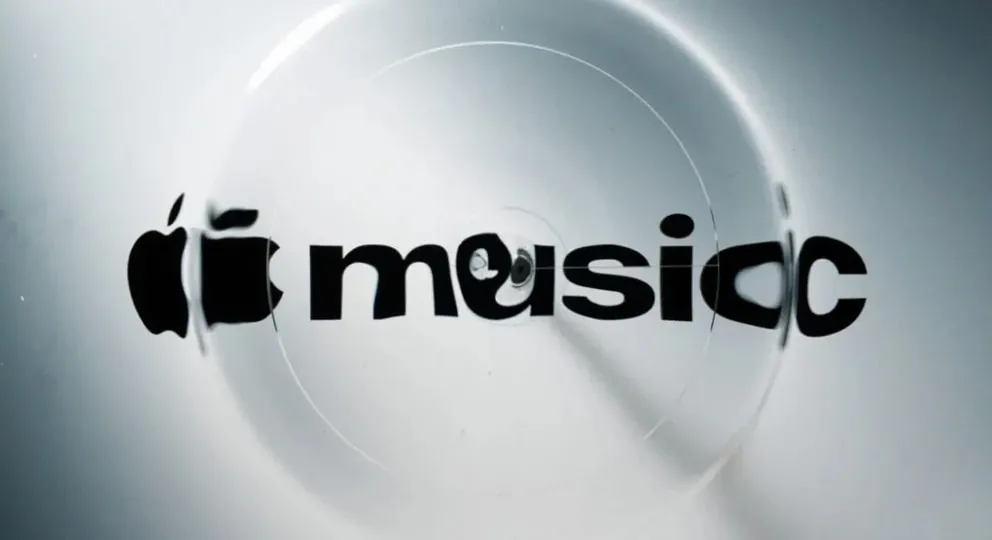
The company with more access to technology than almost any other could easily have generated its new brands on a computer. Rendering, visual effects, artificial intelligence: Apple has all of it. Yet for its two most recent identities, Apple TV and Apple Music, it made a different choice. Real glass, real light, oil, acrylic and sound. All in front of the camera.
This isn’t nostalgia. It’s brand strategy, and a smart one.
Apple TV: a glass sculpture instead of a render
At the end of 2025, Apple TV+ dropped the ”+” and became simply Apple TV. The reason was commercial: according to Contagious, research showed that only 33% of subscribers linked Ted Lasso, the service’s best-known show, to Apple. The brand wasn’t being remembered for its own content.
The answer came with the agency TBWA\Media Arts Lab. The new logo is a handmade glass sculpture filmed in a studio. The pieces were moved by hand and the lighting was changed live to create the colorful reflections. No computer graphics. The sonic logo, composed by musician Finneas, comes in three lengths: one second for trailers, five for shows and twelve for films.
The work won the Design Grand Prix at Cannes Lions 2026, the category’s top award.
Apple Music: sound drew the brand
In October 2026 it was Apple Music’s turn. According to Fast Company Brasil, the new identity came from a partnership between the service’s team, the same TBWA\Media Arts Lab, producer Fred again.. and the studio Nest Acoustics. It took months.
The team built a rig and software to control a transducer, a device that turns audio signals into vibration. Placed in a container of liquid, it turned each note into a wave. Early tests revealed limits: too many notes at once, or notes that were too high, shook the liquid so much the image disappeared. Those constraints guided the musicians as they composed the sonic signature.
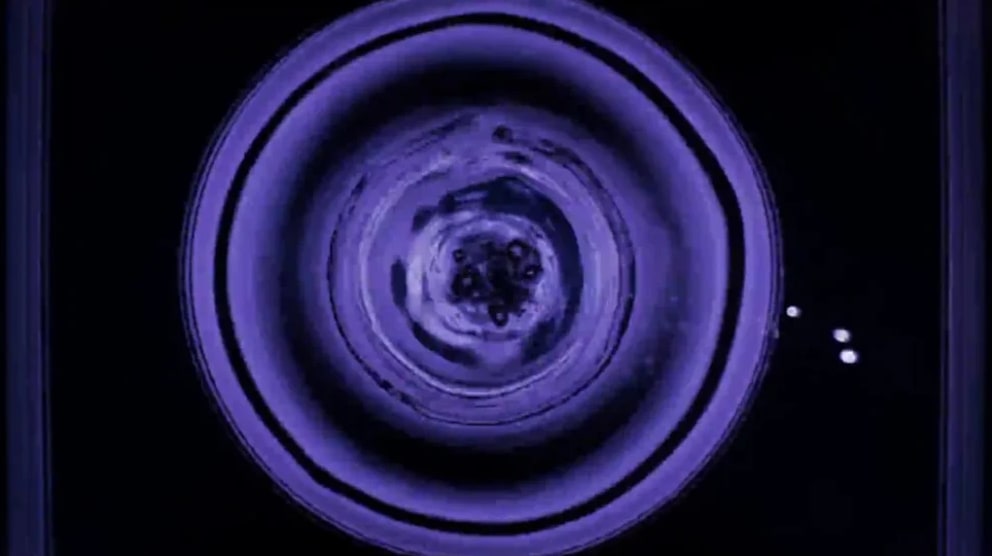
Then the transducer went into a container of mineral oil, chosen for its viscosity, which looks like rippling glass. Inside it sat acrylic versions of the music note and of the new wordmark, drawn in a heavier, customized version of SF Pro, Apple’s typeface. When the music played, the waves bent the light over the letters, and all of it was filmed.
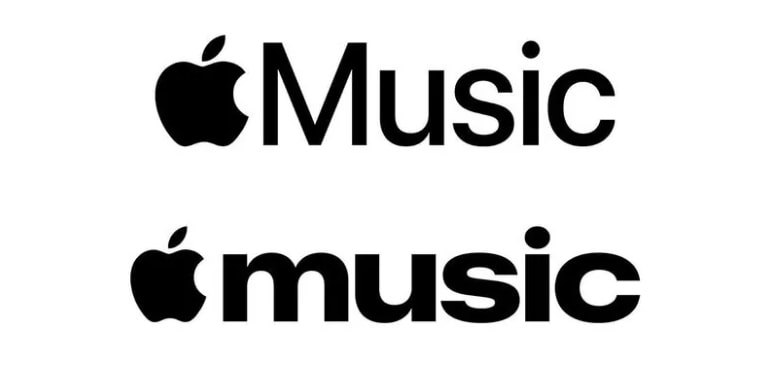
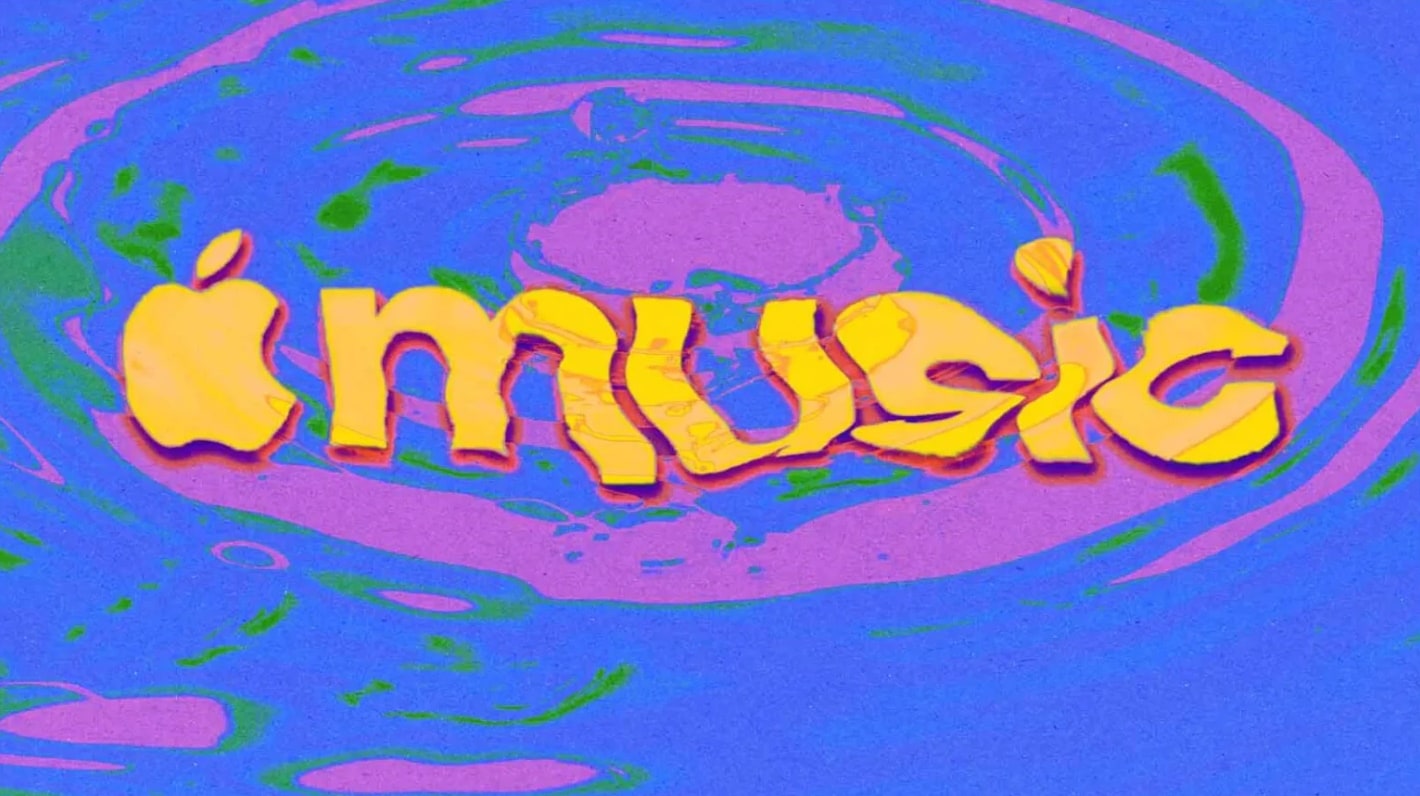
The result speaks to the rest of Apple, from Liquid Glass to the Apple TV glass, but has a voice of its own. In Apple Music, sound doesn’t accompany the brand. Sound is the brand.
Why make it by hand, and why now
Because artificial intelligence has made beautiful images cheap. Today any company can generate in minutes a visual that five years ago would have required a full production. That’s great for productivity and terrible for anyone who wants to be remembered. When everyone uses the same tools, trained on the same references, the results start to look alike. The market fills up with work that is correct, polished and forgettable.
Apple understood that, in this landscape, the process became part of the message. In both cases, the behind-the-scenes footage was shown alongside the brand. People want to see the hand behind the work: the test that failed, the material chosen, someone’s decision. That creates something no generator delivers on its own: a true story.

Luxury already knew this. In this year’s Interbrand ranking, which we analyzed here on Insights, Hermès overtook Louis Vuitton for the first time by betting on craftsmanship and scarcity. Apple is taking the same logic into technology: in an automated world, what people make gains the value of rarity.
AI is not the villain
A caveat is in order, because this topic tends to turn into cheering for one side. Apple didn’t give up on technology. To make Apple Music, the team developed its own software to control the transducer. The difference lies in who decides. The machine was a tool, not the author. The idea, the judgment and the taste stayed human.
At TBS GROUP we use artificial intelligence every day, in research, production, media and automation. That’s exactly why we see its limit clearly: it’s excellent at multiplying, but it doesn’t know where you came from, what you’ve lived through or why your client trusts you.
Our differences are still our greatest asset
Every strong brand starts from a point of view. And a point of view isn’t generated: it’s formed. It comes from the experiences of the people who create, from conversations, mistakes, travel, unlikely synapses between one subject and another, from the particular way each person sees the world. It’s this sum of differences that produces ideas no one else would have. And it’s what no model, however advanced, can reproduce, because it hasn’t lived any of it.
Apple didn’t choose the handmade route out of romanticism. It chose it because it knows that trust in a brand depends on sensing that someone is on the other side, with intent and care. That’s the asset that will separate brands that are remembered from brands that are merely seen.
What to do on Monday
- Show the process, not just the result. Behind-the-scenes footage, tests, drafts and choices bring clients closer and prove that people are thinking about your brand.
- Create at least one asset that can’t be generated. Your own photography, a sonic signature, original illustration, a physical material. Something only your brand has.
- Turn limits into language. Apple made the behavior of oil a creative rule. Which constraints in your business could become style?
- Define AI’s role in your marketing. Producing faster, testing more versions, analyzing data: great. Deciding positioning, concept and tone: that is still work for people.
- Value diversity among the people who create. Different backgrounds generate different ideas. A team that thinks alike will produce the same thing as the machine.
In the end, Apple’s lesson is simple: everyone has tools. Not everyone has a point of view.